Sources checked 3 November 2026 · Confirm your date with the provider
Some links are affiliate links. We may earn a commission on qualifying bookings at no extra cost to you. This does not determine your price or guarantee availability.
Begin with your main reason for coming
For a summit trek, the first filter is whether the exact entry, camping itinerary and exit are authorized for your dates. Only then compare the practical conditions with your experience and equipment. A clear village forecast does not establish that a high route is open. The access and weather guide separates park decisions, weather forecasts and volcanic advice so you can check all three without treating them as interchangeable.
For a valley holiday, give priority to flexible days and a comfortable base. A farm visit, a hosted weaving demonstration and an outdoor viewpoint need different conditions and advance arrangements. You can enjoy a carefully chosen village program without seeing the summit every hour. If the view is the central reason for your trip, allow more than one opportunity rather than building the entire visit around a single arrival afternoon.
Read the season through dated evidence
The park's published closure for 1 January–31 March 2026 is evidence of that particular management decision, including weather and ecosystem recovery considerations. It is not a standing announcement for every January or a confirmed timetable for 2027. Likewise, the September 2026 fire notices show why dry conditions do not automatically mean unrestricted hiking. Always look for a newer notice affecting your route before relying on an earlier one.
BMKG's NTB climatology service publishes seasonal, monthly and ten-day information. These products help explain wider conditions; the short-range village forecast helps with the immediate plan. Do not turn a regional seasonal outlook into a promise that a particular morning will be dry. For a trip booked far ahead, select amendable arrangements and set a reminder to check again closer to travel rather than pretending today's forecast covers your future dates.
Use the right forecast location
BMKG lists several places within Sembalun district, including Sembalun Lawang, Sembalun Bumbung and Sajang. Match the forecast to the actual accommodation or activity, and check its update time. A district name on a weather app can conceal which point it represents. Keep your lodging pin with the forecast reference, especially when your operator's office and the first walking stage are in different villages.
The village forecast is not a summit forecast. A trekking guide should explain how the team assesses conditions higher up, when it makes a go or turn-around decision, and what happens if conditions change overnight. Ask about wind, visibility and rain as well as the temperature. A simple sunny icon is poor justification for departing without the equipment described in packing and preparation.
Plan for cloud without chasing it
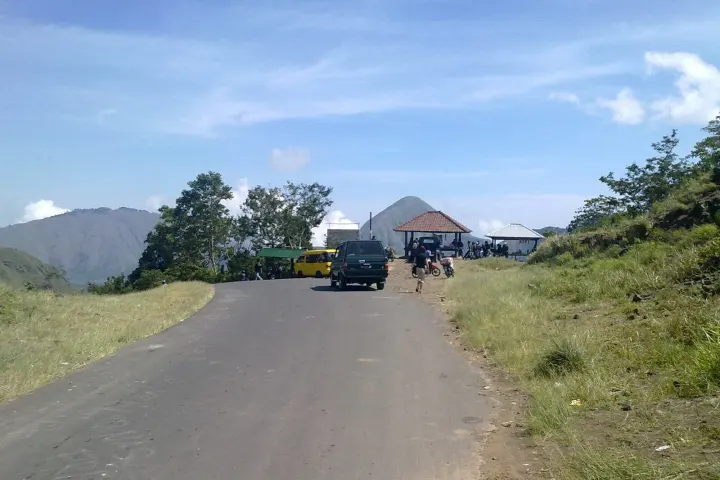
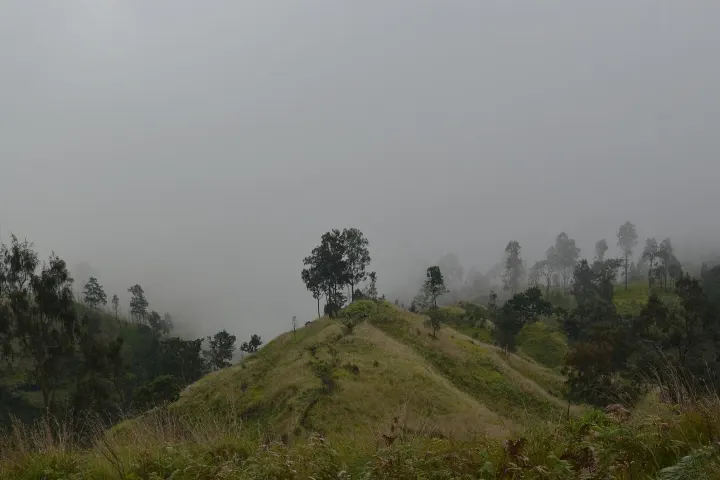
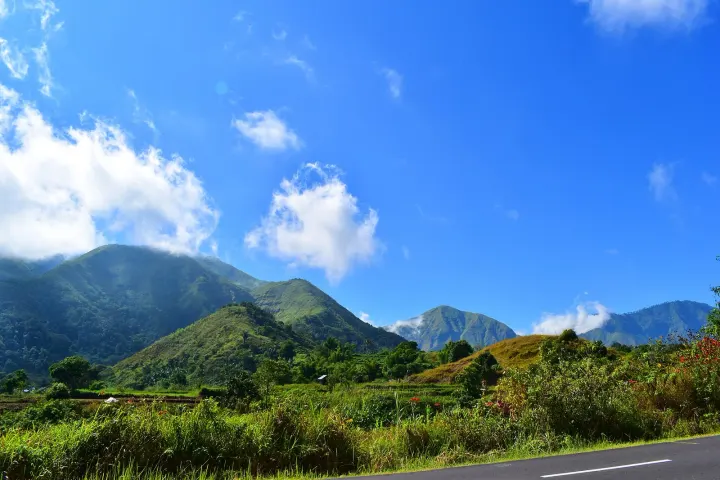
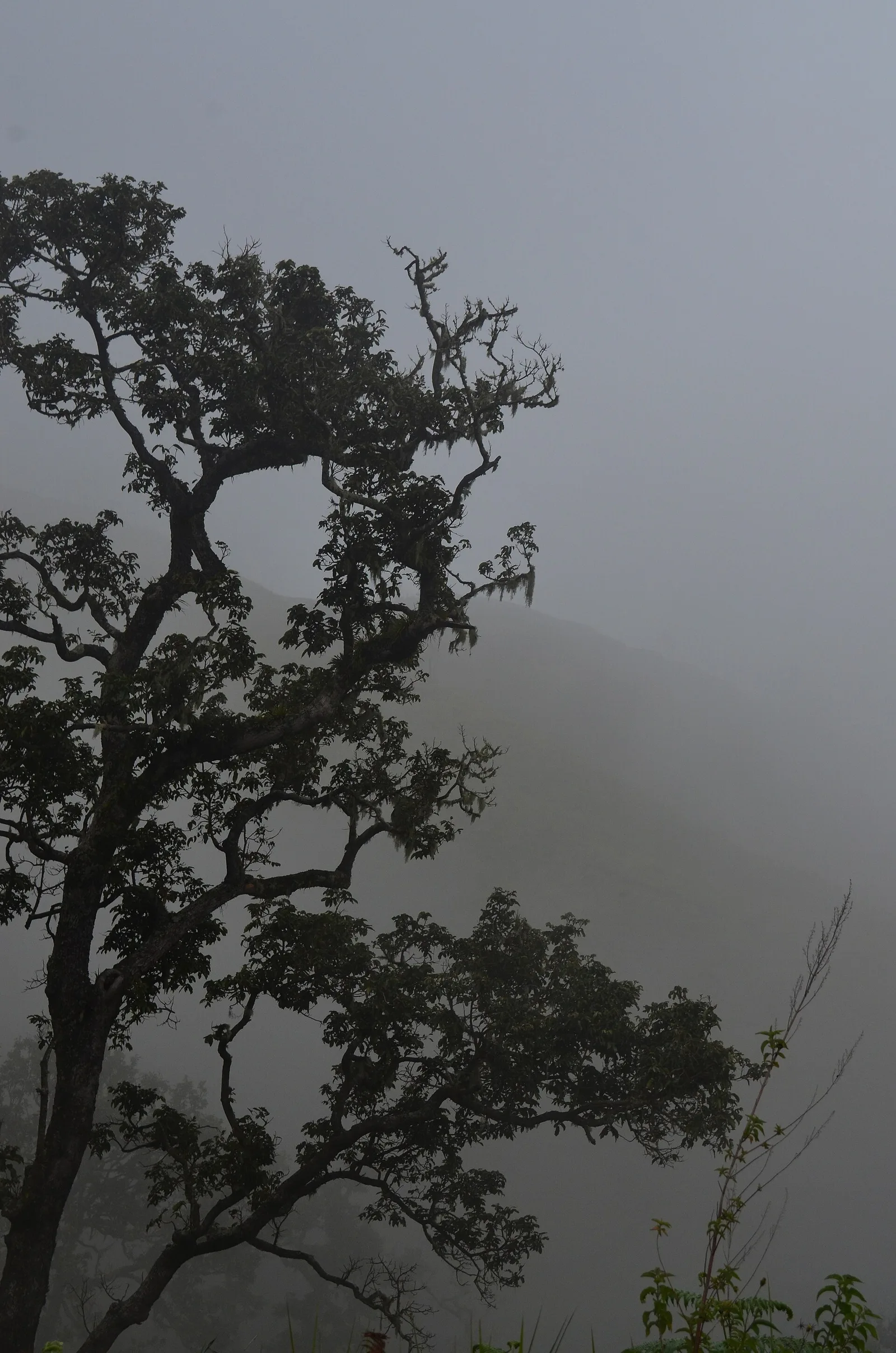
Cloud can change how a valley photograph looks and whether a distant ridge is visible. Build a viewing stop into a day that also has a worthwhile hosted activity, so a hidden mountain does not make the outing pointless. The Selong viewpoint can be paired with a village visit when conditions and access permit. Agree that shortening the outdoor portion is acceptable before paying for a rigid multi-stop schedule.
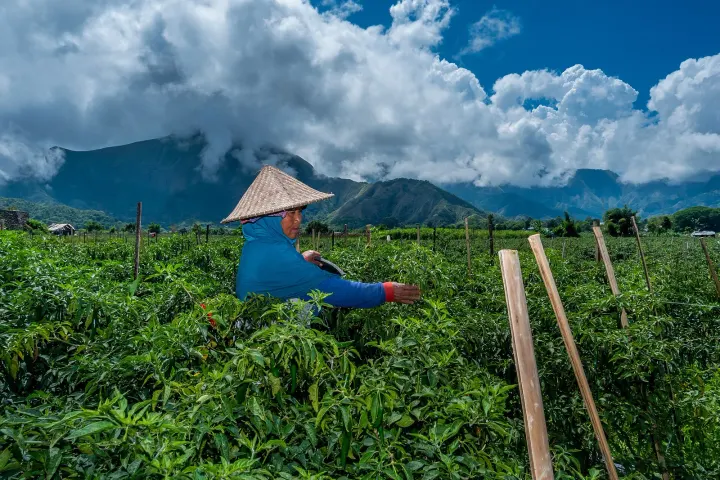
For photographers, choosing a second opportunity is more useful than asking a driver to guarantee a famous view. Carry protection for equipment and keep to established paths when the ground is wet. Do not follow a break in the cloud across cultivated land without permission. The historic photographs on this site show identifiable places; their light, crop stage and weather are not predictions for your visit.
Match rainy-day alternatives to real hosts
A weaving visit or coffee discussion can be a useful alternative to a long outdoor walk, but it still needs an available host and a suitable space. Ask your accommodation to arrange it, explain the group's interests and confirm the meeting point. Do not arrive at a private house expecting that a tourism listing means continuous public opening. Village experiences are strongest when the people hosting them help shape the visit.
Keep at least one simple option that needs little rearrangement: a meal, a rest period or time at your accommodation. If every alternative requires a long drive, the day has little flexibility. For families, choose a room where a few quiet hours will be comfortable and ask about covered seating. A wet afternoon is easier to manage when the entire group has not already committed to a distant return transfer.
Consider farming and festivals carefully
The official Sembalun Lawang tourism profile describes horticulture, strawberry picking, weaving and traditional music. These are different kinds of activities, with different dependencies. A picking visit depends on the participating farm and available fruit. A performance depends on people and arrangements. Neither should be sold as an automatic consequence of visiting during a broadly described travel season.
Ask the host what is happening on your actual date and what visitors are invited to join. If your main interest is strawberries, request a current answer about picking rather than relying on a photograph of a previous crop. If it is music, ask whether the event is a visitor presentation or a community occasion with its own etiquette. The farm guide explains the practical questions without inventing a fixed harvest calendar.
Make a booking plan that can change
Separate the commitments that are costly to change from those that can be chosen locally. Secure the transport and accommodation needed to reach the valley, understand their cancellation terms, and reserve an authorized trek only after its route and contingency are clear. Keep lower walks flexible where availability permits. A spare morning is useful only if your driver and checkout arrangements allow you to use it.
A practical final check combines the newest park notice, the relevant BMKG information, the operator's route confirmation and your group's condition. If one part no longer fits, shorten or replace that component. The non-trekking itinerary offers a positive alternative built around the valley. Changing the plan can preserve the quality of the holiday without turning every uncertain forecast into a last-minute scramble.
Questions before you go
Is there one best month for every Sembalun trip?
No. A permitted summit trek, a lower hill walk and a hosted village visit have different requirements. Choose for the activity and check dated official information before committing.
Does the 2026 January–March closure confirm the same dates for 2027?
No. It is a dated notice for 2026. Check TNGR's newer announcements for the year and route you intend to use.
Can I use a Sembalun village forecast for Rinjani's summit?
Use it for local planning, not as a high-mountain forecast. Ask the trekking operator how it assesses conditions along the actual route and makes turn-around decisions.
Will strawberry picking be available whenever I visit?
Do not assume so. Confirm the participating farm, available fruit, access and payment arrangements for your date with the host.
Is Rinjani always open in the dry season?
No. Dry vegetation raises fire risk: in September 2026 the park limited access, suspended new eRinjani bookings and closed Torean after a fire. Check notices for your dates even in the drier months.
Sources & editorial notes
The bibliography separates park notices, volcanic monitoring, forecasts, tourism records and provider listings. A source check is dated evidence; it is not a live operating-status guarantee.
- Balai Taman Nasional Gunung Rinjani ↗
- BMKG ↗
- BMKG Stasiun Klimatologi Nusa Tenggara Barat ↗
- Ministry of Tourism / Jadesta ↗
- Ministry of Tourism / Jadesta / Sembalun Lawang tourism village ↗