Sources checked 3 November 2026 · Confirm your date with the provider
Some links are affiliate links. We may earn a commission on qualifying bookings at no extra cost to you. This does not determine your price or guarantee availability.
Start with the confirmed route
Write down the walking days, nights on the mountain, highest objective, entrance and exit. Note whether the itinerary includes a dark start, a lake stage or a long final descent. These details explain why an item may be needed and stop you from copying a list designed for a different route.
Then ask the operator for its current equipment recommendations and supplied inventory. Resolve contradictory information before packing. If a product says both 'headlamp included' and 'bring a flashlight', establish whether you must bring your own reliable light. A small clarification in the village is easier than discovering an essential gap at a campsite.
Build clothing around changing exposure
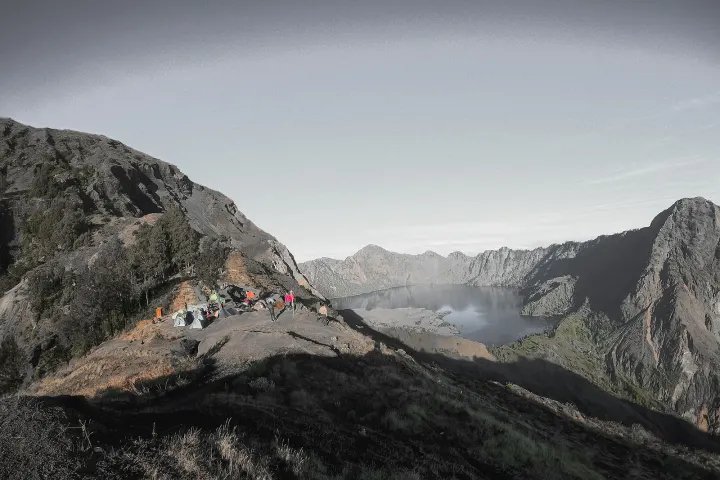
The Sembalun approach includes open terrain, while a mountain itinerary can also involve forest, wind, rain and an overnight camp. Discuss layers for the specific season and objective rather than selecting clothing from the weather at the coast. Ask about the expected conditions at camps and exposed stages, not only the daytime temperature in the village.
Organize clothing so useful layers remain accessible while walking. Keep dry items protected in your pack and distinguish a spare set from the clothing you expect to use on the trail. If you plan to hire a jacket or other clothing, confirm size and availability in advance. Equipment rental is a service to verify, not a packing strategy based on hope.
Give footwear and the descent proper attention
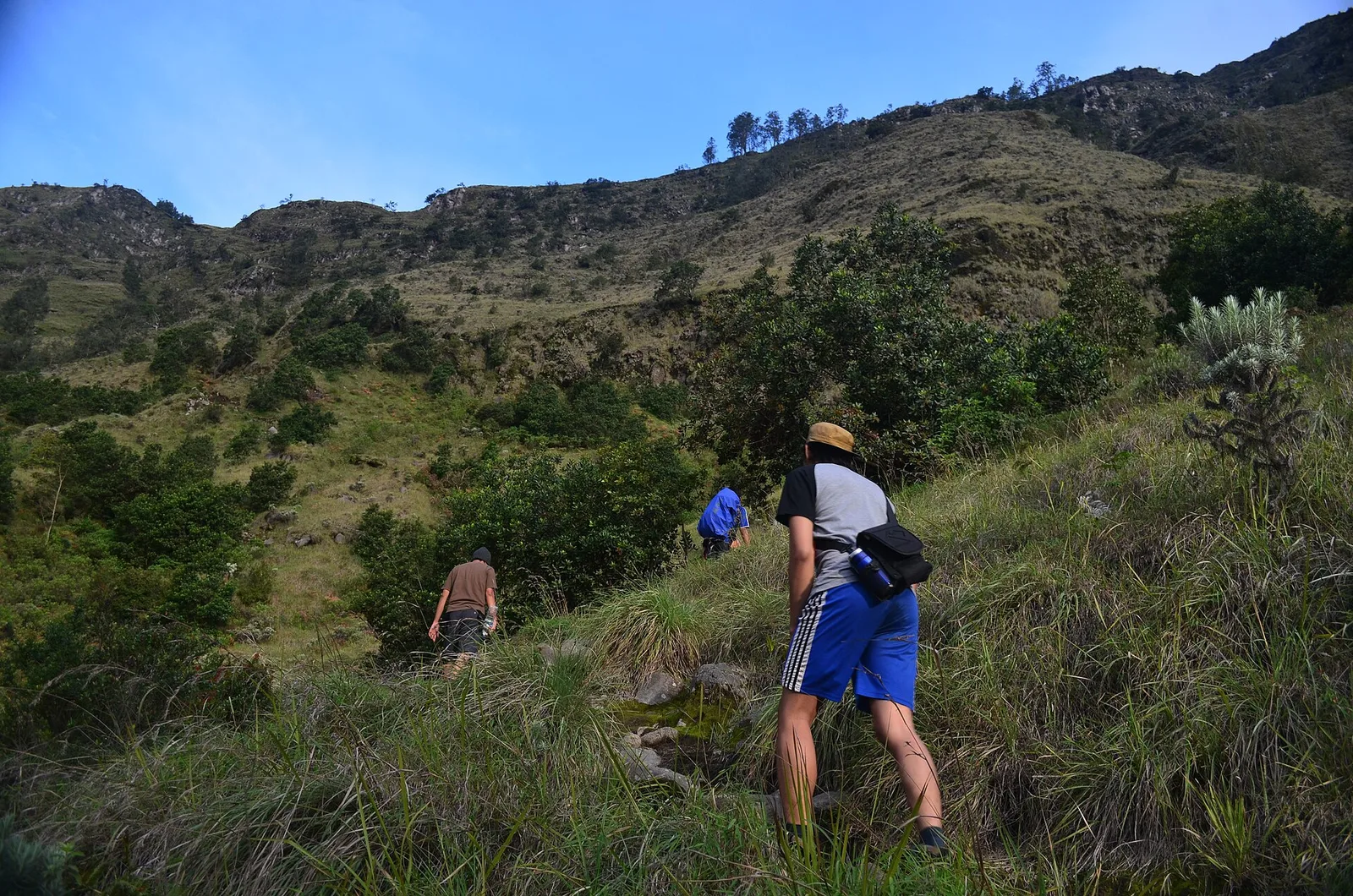
Use footwear you have already walked in for a comparable duration, and discuss the route surfaces with your guide. The question is how your shoes handle the actual ground and your feet over several hours, not whether a label calls them 'trekking shoes'. Consider the descent when assessing comfort, grip and how your toes sit inside the shoe.
If you use poles, ask whether they are supplied and inspect their adjustment and locking mechanisms. Do not rely on borrowed equipment without trying it. For personal foot-care items or other health-related preparation, use advice appropriate to your own needs. This guide does not prescribe treatment or determine whether an existing condition is compatible with the trek.
Separate communal gear from your daypack
The operator may carry tents and cooking equipment while you carry personal clothing, water, snacks, documents and other items. Ask exactly what remains with you during every stage, including the summit attempt. A personal porter arrangement may change the load, but it still needs an agreed allowance and a plan for items you must access while walking.
Pack by function rather than adding every possible item. Keep essential documents and communication details protected, and leave unnecessary luggage in the agreed storage location. Photograph or record the storage arrangement and collection plan. For a traverse, confirm whether the bag moves to the exit or whether you return to the original office.
Check food, water and personal requirements
Tell the operator about dietary restrictions before the trip, including ingredients you must avoid and how strict the requirement is. Ask how meals are prepared and whether cross-contact can be managed where relevant. A general promise of vegetarian food does not answer every allergy or dietary question, and a remote camp has fewer last-minute alternatives.
Confirm what water is provided, how often it is available and what container you should carry. Ask whether snacks are included or whether you should bring familiar food for long stages. Keep personal medication accessible and discuss any concerns with a qualified clinician before travel. Do not assume the guide can replace individualized medical advice.
Assess readiness through comparable experience
A useful preparation conversation describes what you have actually done: recent walking days, sustained climbs, long descents, carrying a pack and sleeping in a tent. Share that experience honestly with the provider and ask how it compares with the selected itinerary. The number of days in the title is a poor measure of physical demand.
If the proposed schedule seems beyond your current experience, compare another objective or build more preparation time into your plans. A one-day crater-rim outing can concentrate substantial work into a single continuous effort; it is not automatically the easier option. The two-day guide and longer-route guide help distinguish duration from workload.
Finish with a practical check in the village
Before leaving, put on the pack you will actually carry and check the important items with the operator. Confirm lights, weather layers, sleeping equipment, footwear, water arrangements and the means of contacting the guide or office. Make sure every participant understands which belongings stay behind and which must remain with them.
The briefing should also cover current rules, waste arrangements and how the group responds to a changed plan. Pack so you can follow those instructions without improvising. A thoughtful checklist is not a guarantee of conditions or success; it is a way to reduce avoidable confusion and make the agreed trek more manageable for you and the people supporting it.
Questions before you go
Should I bring my own sleeping bag?
Ask what the selected package supplies, its condition and suitability for the route. Bring or hire your own only after resolving that inventory.
Are hiking poles included?
It varies by product. Confirm the item, inspect it and account for any rental charge.
How can I judge whether the trek suits me?
Describe your recent comparable walking and camping experience to the provider. Seek qualified medical advice for personal health concerns; this checklist is not an assessment.
What should stay in the village?
Leave nonessential travel luggage in an agreed storage place, with collection or transfer arrangements clear for the actual exit.
Sources & editorial notes
The bibliography separates park notices, volcanic monitoring, forecasts, tourism records and provider listings. A source check is dated evidence; it is not a live operating-status guarantee.
- Ministry of Tourism, Indonesia ↗
- GetYourGuide / Star rinjani ↗
- GetYourGuide / Rinjani Hero ↗
- Balai Taman Nasional Gunung Rinjani ↗