Sources checked 3 November 2026 · Confirm your date with the provider
Some links are affiliate links. We may earn a commission on qualifying bookings at no extra cost to you. This does not determine your price or guarantee availability.
Trace the whole route on paper
Begin with the walking entrance, then list every camp, the summit objective, lake stage and exit. Put the road pickup and final drop-off outside that sequence so they do not disappear into the word 'tour'. A clear proposal should make it possible to explain the journey to someone who has never heard the village names.
If the product description gives different exits in different paragraphs, ask for one version applying to your selected date and option. It may reflect alternative programs or old wording, but you should not have to guess. The verified Cakrawala and Hike Mount Rinjani products both demonstrate that URL slugs can retain an earlier title while the current product describes a longer trek.
Understand what the lake adds
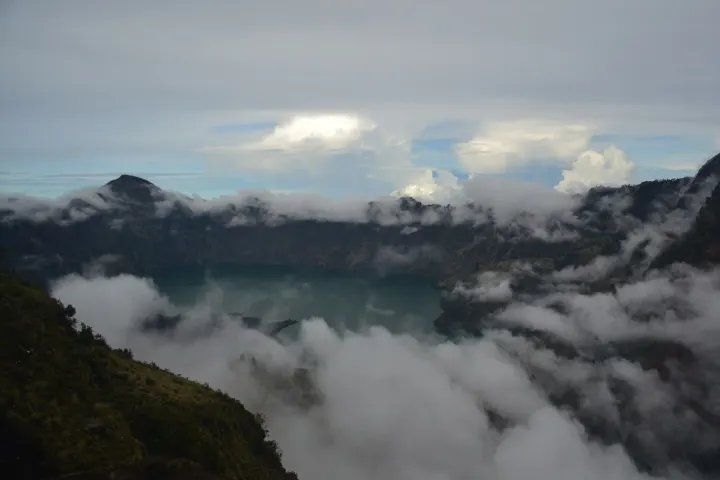
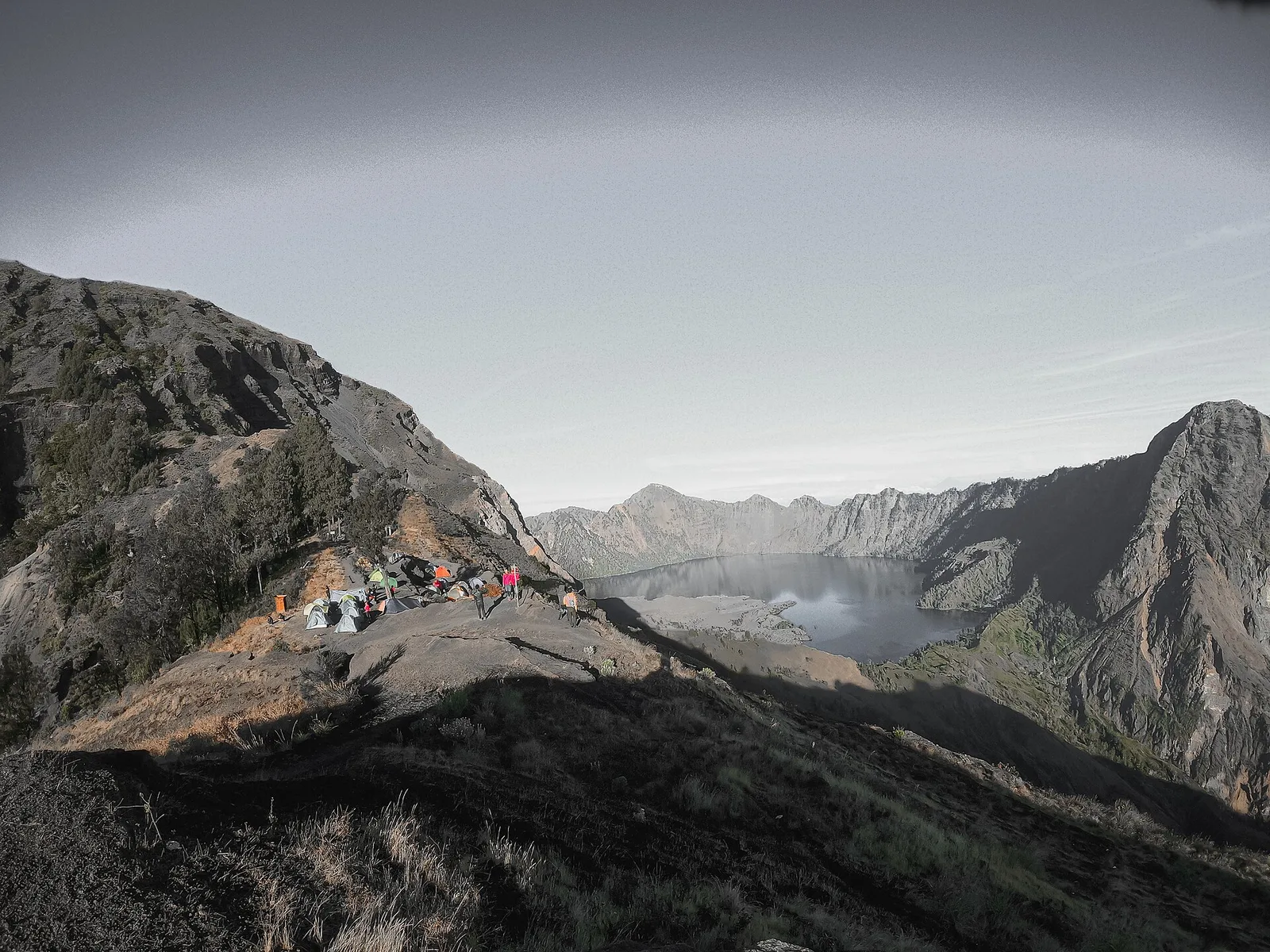
Segara Anak is a caldera lake reached on foot through mountain terrain. Adding it means descending from a rim and, depending on the itinerary, climbing out again. It should be treated as a substantial route stage, not as a quick excursion from a road-access campsite. Ask about the ground, exposed sections and support relevant to the exact connection.
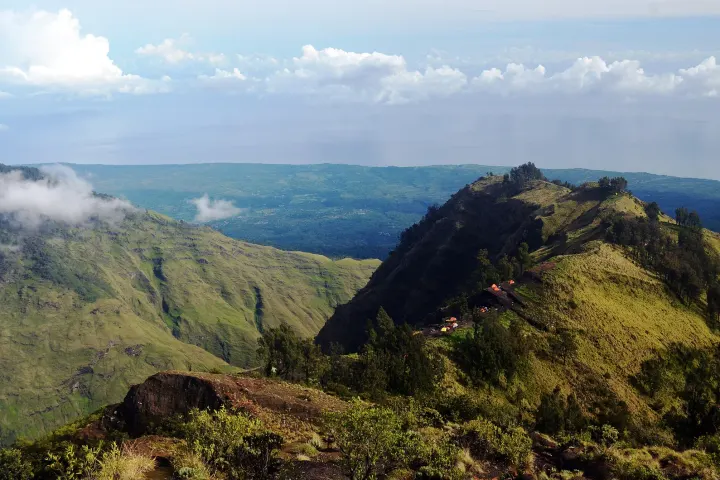
The attraction of a longer trip is the change of perspective: open slopes, rim views, the caldera and forest can become parts of one journey. That variety is valuable only if the schedule gives your group a workable pace. Ask where rest periods sit and which stage becomes demanding after an early summit attempt, rather than assuming the third day creates a relaxed program.
Compare camps and daily effort
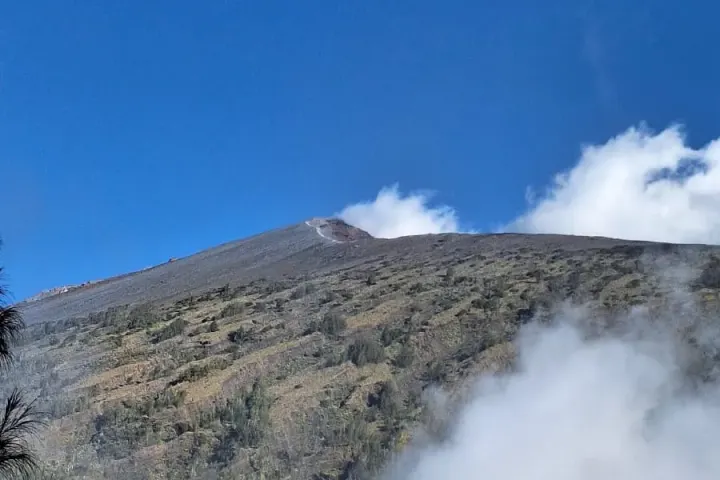
Two itineraries with the same duration can distribute their work differently. One may combine a summit attempt, lake visit and climb to another camp in a long middle day; another may use a different sequence. Request an approximate daily walking plan, including ascent and descent, and ask how it changes for slower participants.
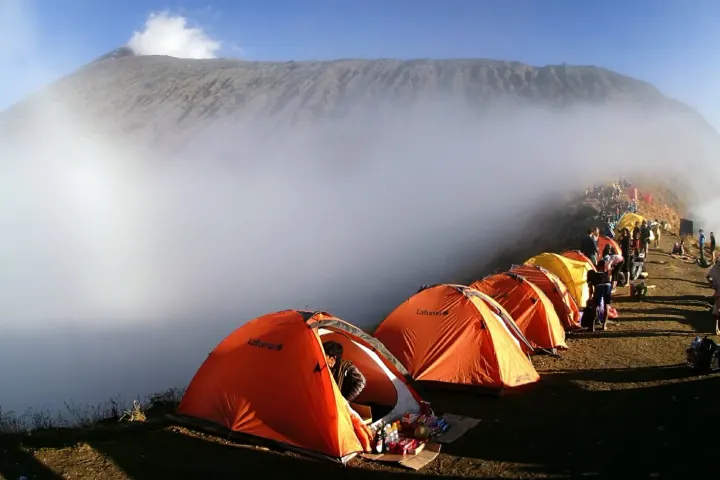
Camp names also affect practical comfort. Find out what equipment is provided, how sleeping spaces are allocated, what toilet arrangements exist and how personal belongings remain protected if weather changes. The answers should describe the actual booked service, not a generic photograph of the operator's most elaborate camp. Bring those details into the comparison alongside the route itself.
Treat the exit as part of the booking
Senaru, Sembalun and Torean are different exits with different implications for the journey. Do not select an itinerary because a valley photograph looks attractive without confirming whether that route is permitted. The dated TNGR Torean notice is especially relevant to proposals that still advertise a Torean descent as a standard feature.
Ask what happens if the preferred exit becomes unavailable before departure or while your group is on the mountain. A complete answer covers the authorized alternative, additional walking, guide arrangements, luggage and transport. It should also explain the terms if the changed itinerary no longer suits you. A vague assurance that the team will 'find another way' is not enough detail for a comparison.
Separate hot springs from guaranteed access
Some longer listings include hot springs near the lake. Treat that as a conditional stage within the route, not an independent guarantee of bathing. Ask what is currently permitted, what the guide assesses on arrival and whether the itinerary still makes sense if that part is skipped. Do not use a past photograph as evidence of present access.
PVMBG's volcanic guidance addresses Barujari and its exclusion area separately from the park's trail decisions. A lake itinerary must respect both. There is no reason to approach a restricted cone or lava area because it appears close on a map. Our access guide explains where to find the current official information before discussing the route with your provider.
Plan the extra food, gear and luggage details
A longer trek creates more opportunities for small misunderstandings to matter. Discuss dietary requirements before booking, including how the kitchen team will handle ingredients you cannot eat. Ask what water arrangements are included and which personal items you carry each day. Confirm whether equipment hire covers the whole trip and whether any extra night changes the charge.
For luggage left behind, write down the storage address and final collection arrangement. If your exit is on another side of the mountain, the bag may need a road transfer or you may need to return to the original office. The most convenient solution depends on your next destination; decide it before the trek so it does not become an unwelcome surprise at the end.
Add valley time deliberately
A three-day trek can be the center of a longer Sembalun stay, but village activities should not be squeezed into the margins simply to claim a more complete itinerary. Give the arrival day a modest purpose and keep the post-trek plan adjustable. A short viewpoint, a meal and time to repack may be enough.
If you have additional nights, use them to see the valley from a different scale. A confirmed farm visit or a quiet village walk provides a contrast to the mountain without demanding another major ascent. The three-day valley itinerary is a separate non-expedition plan; it should not be confused with three walking days on Rinjani.
Questions before you go
Do all three-day treks use the same route?
No. Entrances, camps, lake stages and exits differ. Request one complete itinerary for the option and date you are booking.
Is the lake accessible by vehicle?
No. In these trekking itineraries it is a mountain walking stage. Plan for the descent and the onward climb or exit.
Can Torean be assumed available?
No. A dated official closure notice remains part of the evidence checked for this guide. Obtain current park confirmation before accepting that exit.
Is the hot-spring visit guaranteed?
No. It depends on the permitted route and local conditions. Ask how the itinerary changes if the visit is omitted.
Sources & editorial notes
The bibliography separates park notices, volcanic monitoring, forecasts, tourism records and provider listings. A source check is dated evidence; it is not a live operating-status guarantee.
- Ministry of Tourism, Indonesia ↗
- GetYourGuide / Cakrawala Rinjani | Lombok Operators ↗
- GetYourGuide / Hike Mount Rinjani Tour & Travel Lombok | Sumbawa ↗
- Balai Taman Nasional Gunung Rinjani ↗
- PVMBG / Badan Geologi / Ministry of ESDM ↗